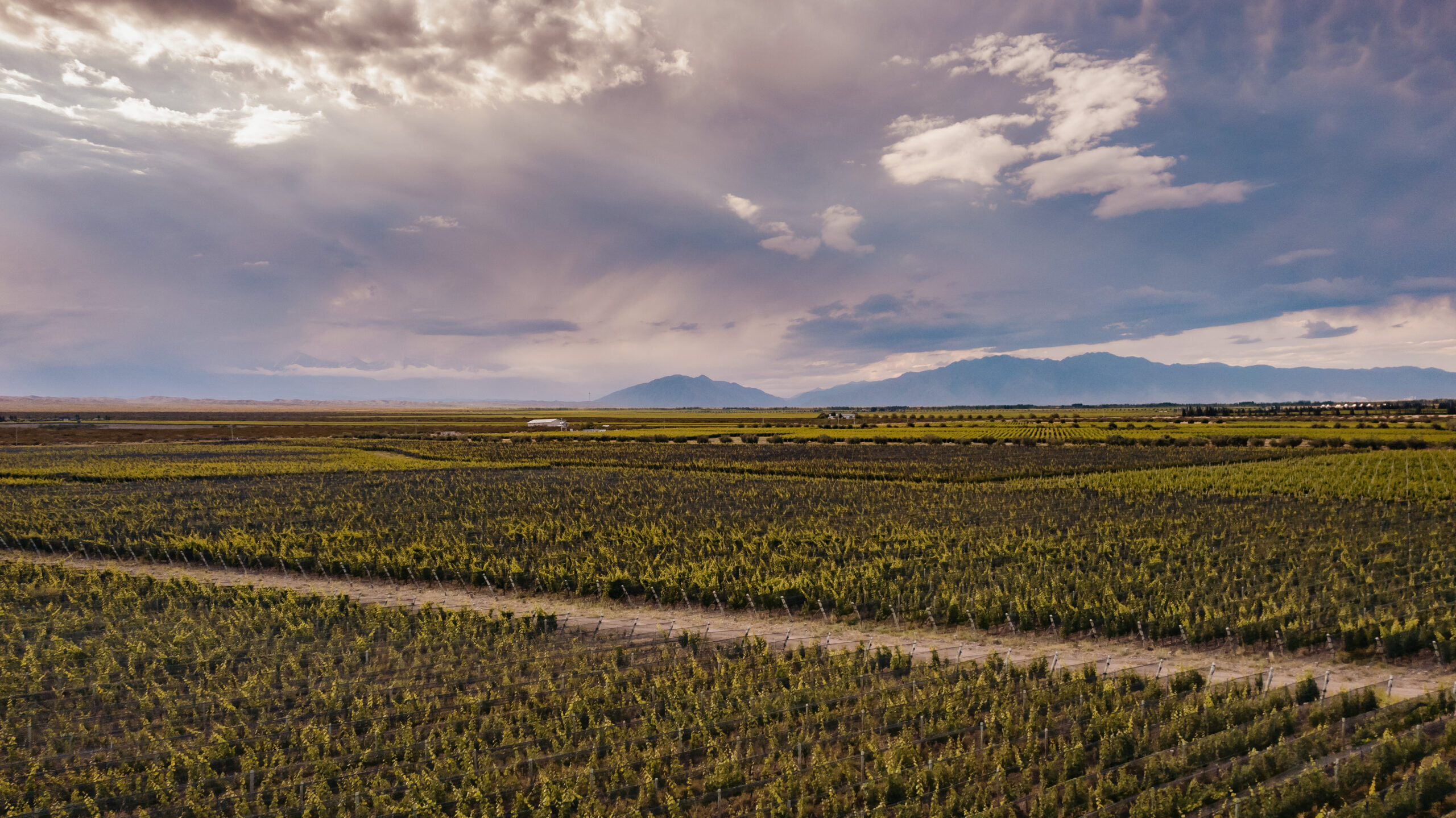
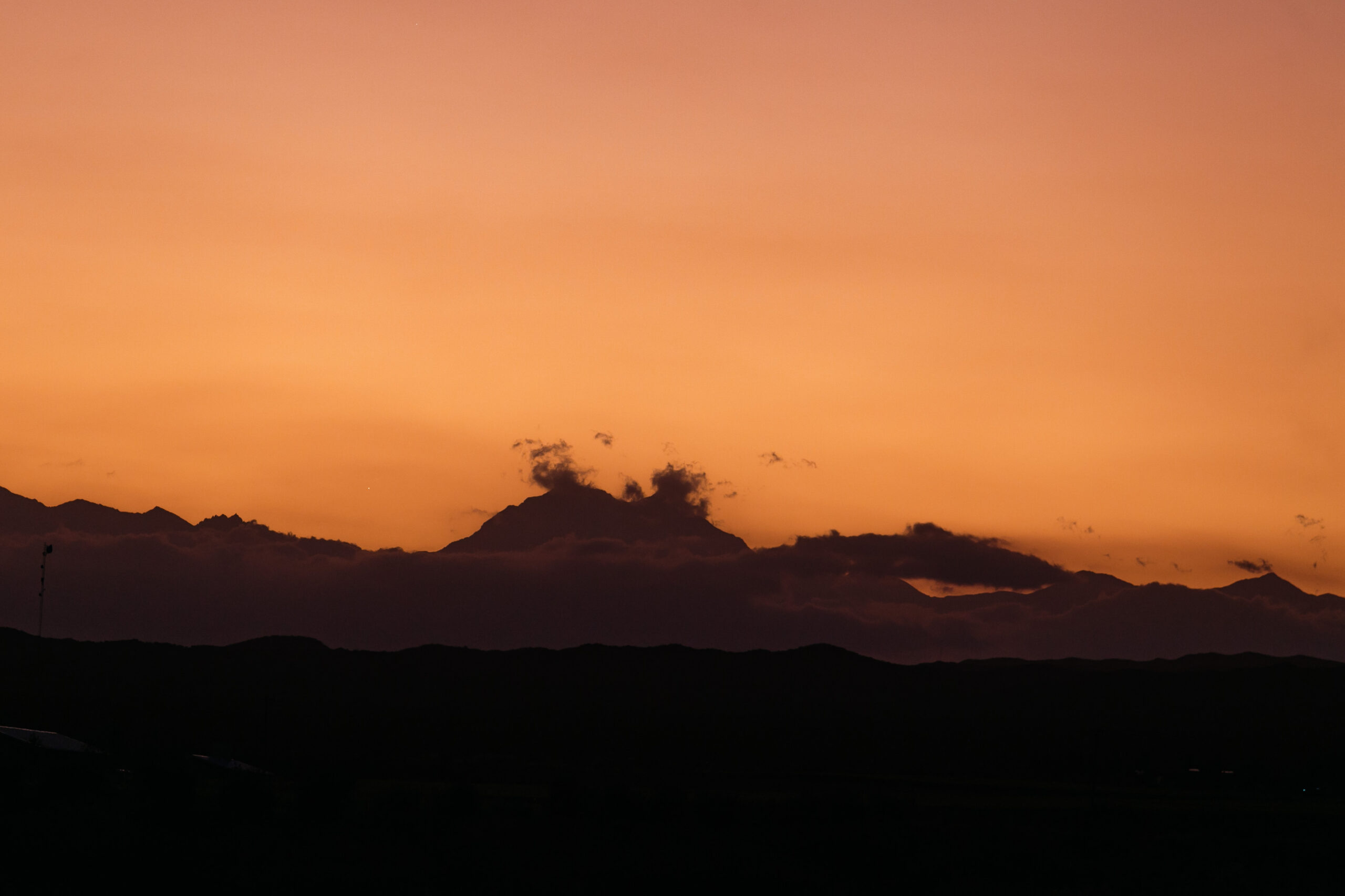
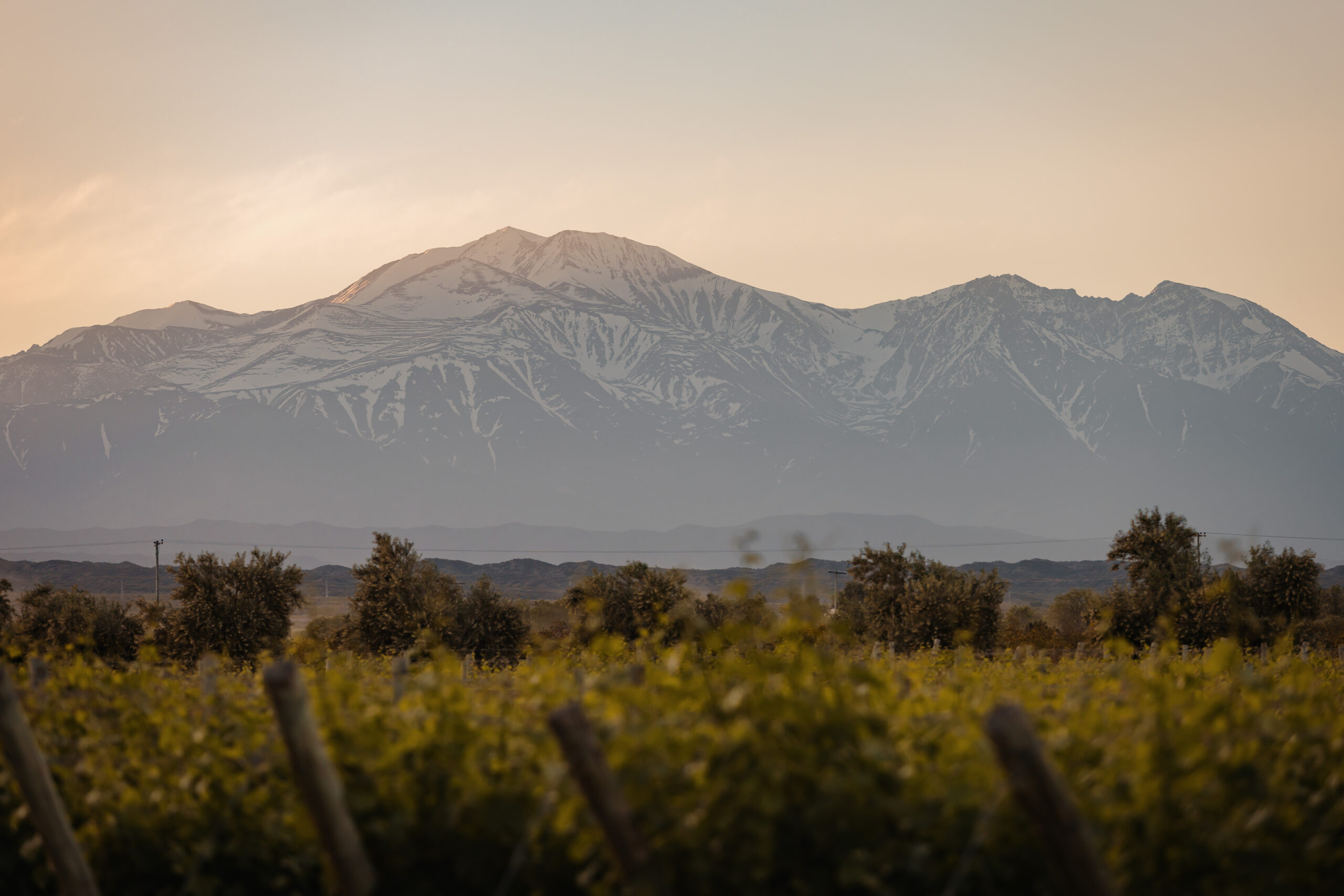
The altitude, the difference between daytime and nighttime temperatures, and the dry climate of Mendoza give the grapes a distinctive ripeness, bringing subtle, well-defined aromas to our wines and contributing to great vintages.
In the case of Mendoza, Argentina, the terroir plays a crucial role in the production of premium wines, especially the Malbec grape variety, emblematic of the region.
exploring the terroir
The Magic of Alto Agrelo
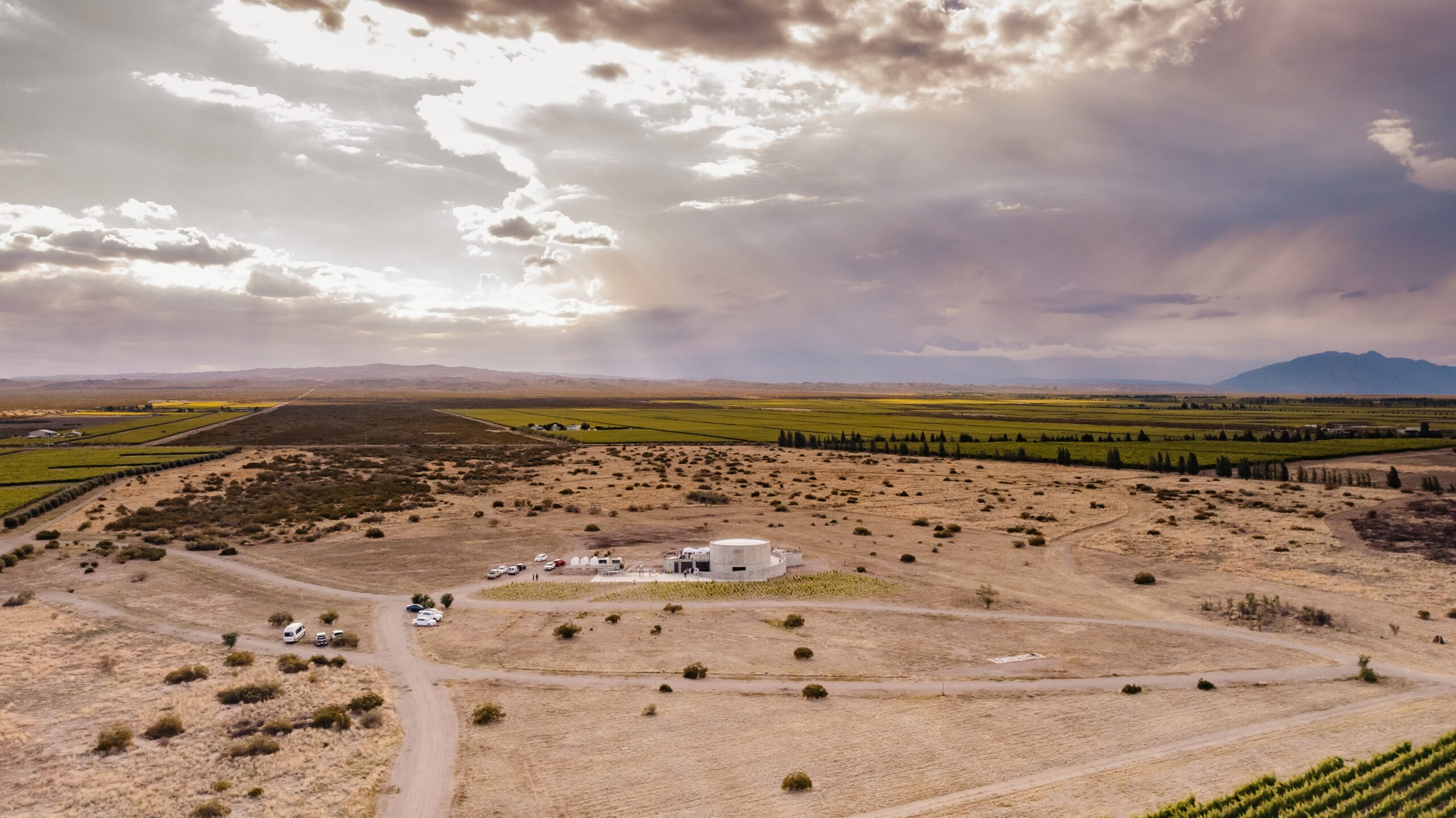
Our vineyards are in Alto Agrelo, Luján de Cuyo, at 1,050 metres above sea level. The area has alluvial soils ranging from fine sand to deep silt, enriched by minerals from the Andes. Intense sunlight and pure Andean meltwater nourish this landscape.
Altitude, a dry climate and the difference between daytime and nighttime temperatures encourage slow, balanced ripening, preserving freshness and aromatic complexity. Alto Agrelo is a recognised Argentine terroir, valued for expressing the identity of Malbec and other red varieties.
Soil
the value of influence
The estate is located at an altitude of 1050 meters above sea level, in an excellent area for the development of high quality vineyards as well as olive and fruit trees.
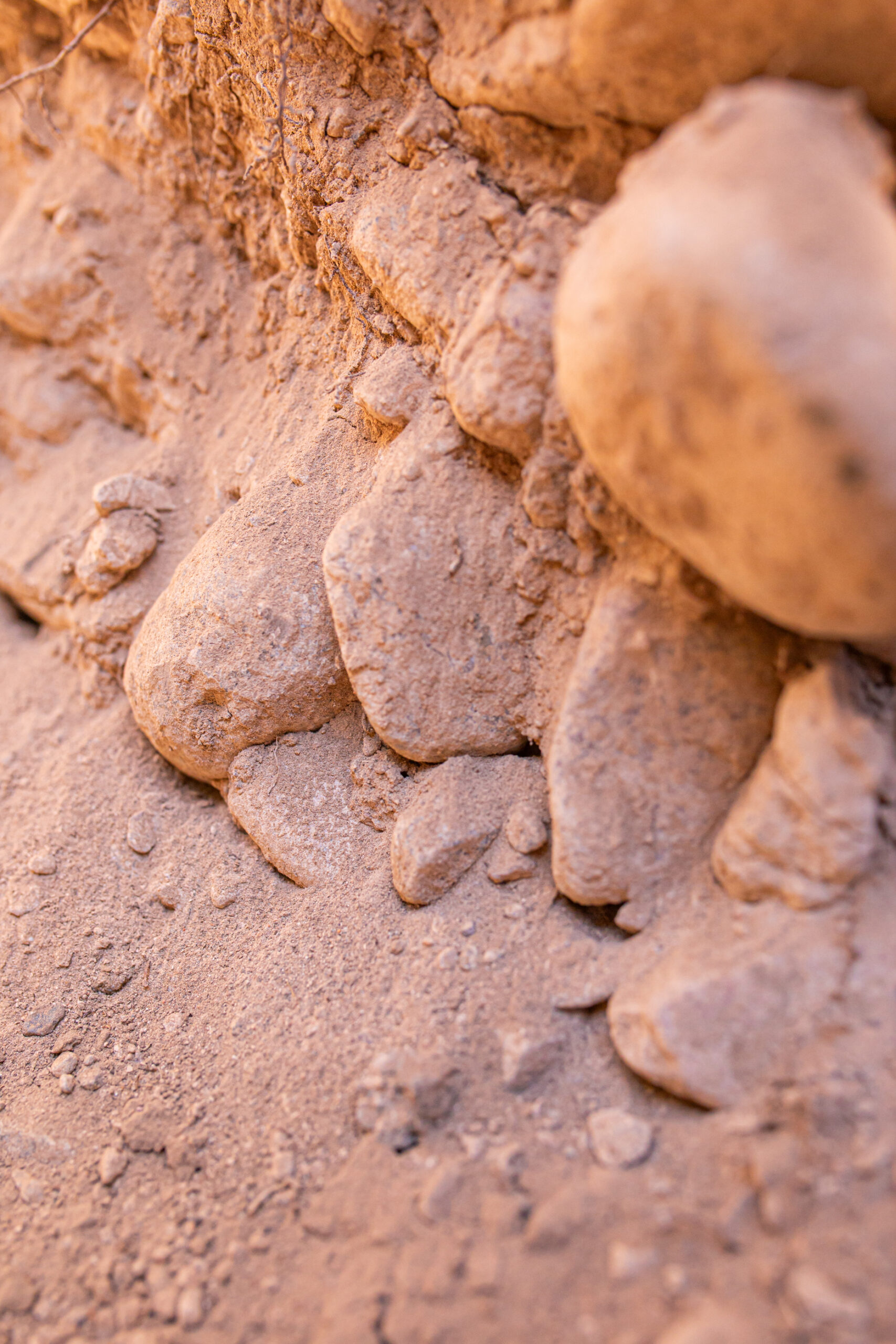
The soils are of alluvial and deep origin. Sandy loam texture with some clay and silt.
There is a small amount of gravel on the surface that increases in proportion in the subsoil, which provides excellent drainage. The type of soil is crucial for the terroir.
Weather
specific microclimate
The climate is temperate continental, with average rainfall of around 200 mm per year. On the estate, we use drip irrigation to manage water. Temperature, humidity, sun exposure and seasonal variation influence plant development, while local microclimates can contribute to distinctive flavour profiles.
Topography
altitude and slope 1050
Altitude, slope and orientation are important factors. Sun exposure varies with the topography, influencing grape ripeness and the quality of other crops such as olives. The winemaking project preserved the original foothill topography and its natural 3.2% west-to-east slope. The existing riverbeds now serve as our roads.
SUSTAINABILITY
Values in action
The value of these actions lies in their consistency and authenticity. Companies that are genuinely committed to sustainability do more than comply with regulations and standards: they go further by integrating sustainable practices into their culture and day-to-day operations.